The spring equinox marks a moment of balance in the Earth’s annual journey around the sun. Occurring in March, it is the point at which day and night are almost equal in length across the globe. In the United Kingdom it signals the long awaited transition from winter into spring, bringing lighter evenings, milder temperatures and a sense of renewal. Yet further north, in the Nordic regions, the spring equinox carries an added significance. It coincides with one of the most favourable periods of the year to witness the Northern Lights.
The science behind the equinox is relatively simple. The Earth’s axis is tilted, and as it orbits the sun, different parts of the planet receive varying amounts of sunlight throughout the year. During the equinox, the tilt is such that neither hemisphere is angled towards or away from the sun. The result is an almost perfect balance of light and darkness. While this equilibrium is felt globally, its effects are particularly striking in high latitude destinations, where seasonal contrasts are far more dramatic.
In the Arctic and sub Arctic regions, winter is defined by long, dark nights and landscapes blanketed in snow. As the equinox approaches, the grip of winter begins to loosen. Days lengthen quickly, temperatures start to rise and the first signs of thaw appear. Rivers begin to break free from ice, and snow covered terrain softens, revealing textures and colours that have been hidden for months. Despite this seasonal shift, there is still sufficient darkness during the night to create ideal conditions for viewing the aurora borealis.
What makes the equinox especially interesting for Northern Lights seekers is its connection to geomagnetic activity. Around this time of year, the interaction between the Earth’s magnetic field and solar winds tends to intensify. This phenomenon, sometimes referred to as the Russell McPherron effect, increases the likelihood of auroral displays. In practical terms, it means that the lights are often more active, more vivid and more widespread during the weeks surrounding the spring and autumn equinoxes.
For travellers, this creates a unique window of opportunity. Unlike the depths of winter, when conditions can be harsh and daylight is limited, the equinox period offers a more balanced Arctic experience. Visitors can enjoy longer days for exploring dramatic landscapes, whether that means dog sledding across frozen plains, snowmobiling through forests or simply taking in the vast, open scenery. At the same time, the nights remain dark enough for aurora viewing, often accompanied by clearer skies and slightly milder temperatures.
Another advantage of travelling during this period is the changing quality of light. The low angle of the sun in northern latitudes produces long, golden hours that are particularly appealing for photography. As the snow begins to melt, reflections in water and variations in the terrain add depth and contrast to the landscape. This interplay between lingering winter and emerging spring creates a setting that feels both dynamic and serene.
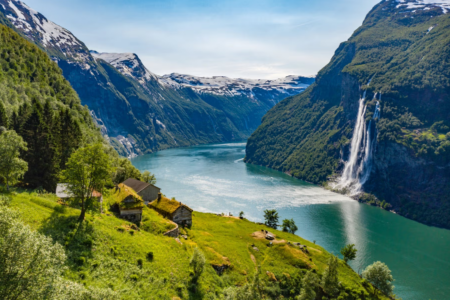
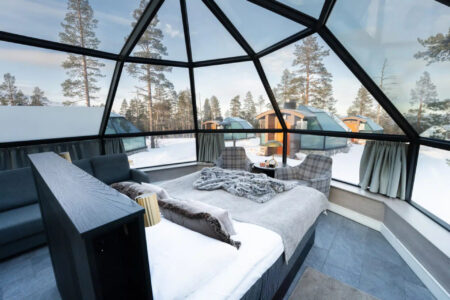
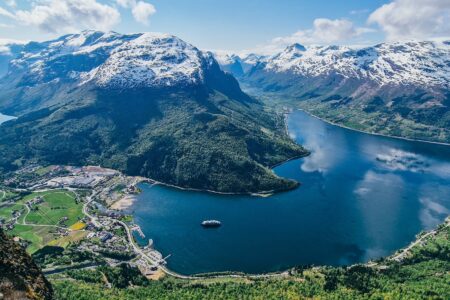
Destinations such as northern Norway, Swedish Lapland and Finnish Lapland are especially well suited to equinox travel. These regions combine accessibility with vast wilderness, offering a range of experiences that cater to both first time visitors and seasoned Arctic travellers. Whether staying in a remote cabin, a glass roofed lodge or a boutique wilderness hotel, guests have the chance to immerse themselves in nature while keeping watch for the shifting patterns of the night sky.
Timing, as always with the Northern Lights, remains subject to the unpredictability of nature. Clear skies and solar activity cannot be guaranteed, but travelling around the equinox increases the odds in your favour. With expert guidance and carefully chosen locations away from artificial light, the chances of witnessing a memorable display are significantly enhanced.
The spring equinox is, at its heart, a moment of transition. In the Nordics, it represents the meeting point of two seasons, where the stillness of winter gives way to the energy of spring. For those seeking the Northern Lights, it is also a time when the heavens are particularly alive with movement and colour. This combination of natural balance, changing landscapes and heightened auroral activity makes it one of the most compelling times to experience the Arctic.