Witness one of nature’s most mesmerising phenomena with Off The Map Travel through carefully curated Northern Lights experiences in Finland, Norway, Sweden and Iceland.
Northern Lights Experiences in Finland, Norway, Sweden and Iceland
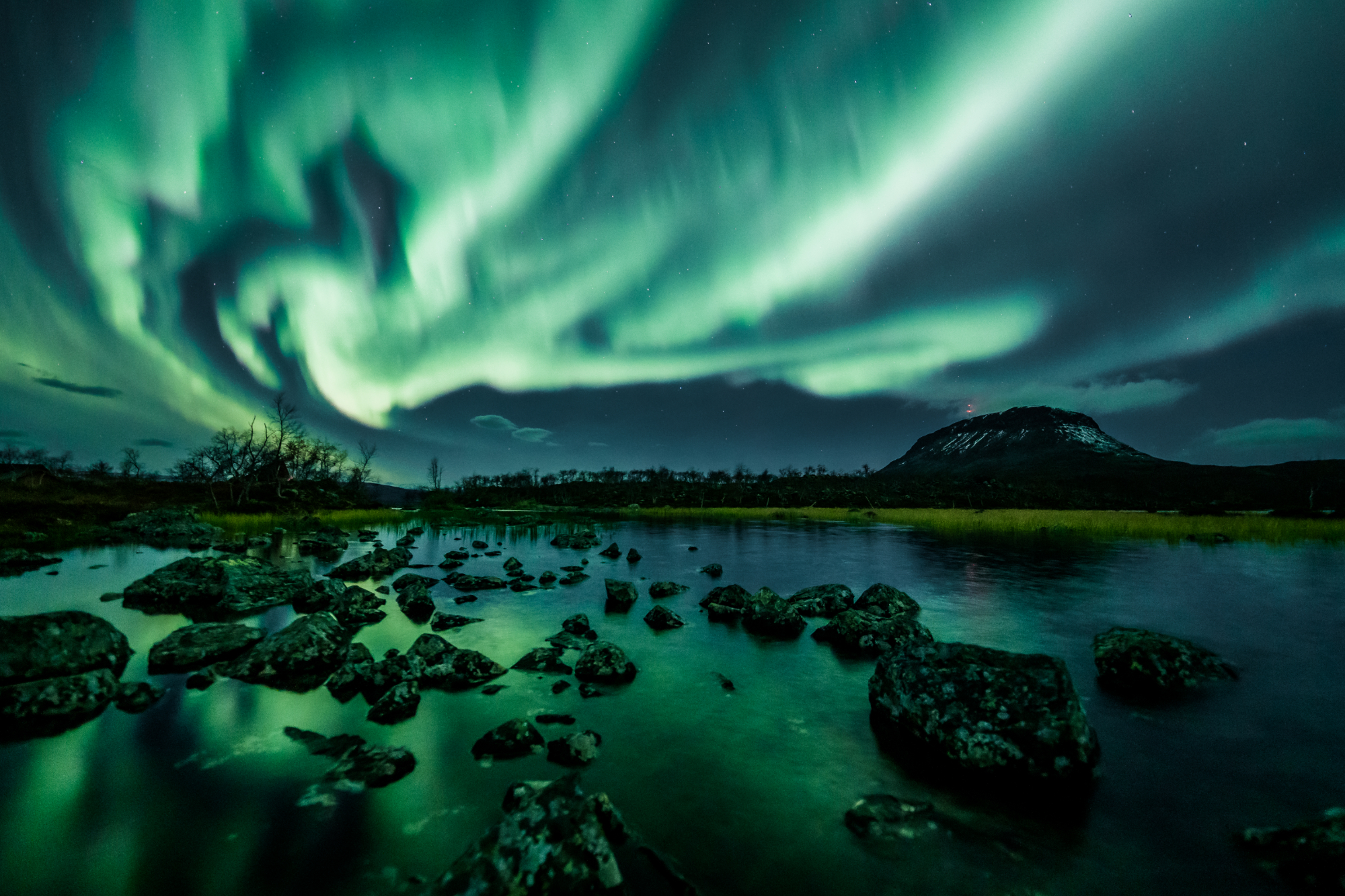
@ Cahkal Hotel
@ Cahkal Hotel
Where to See the Northern Lights in the Nordics
The Northern Lights are visible in high latitude regions within the auroral oval, which passes directly over northern parts of Finland, Norway and Sweden, and across much of Iceland. These destinations combine dark skies, open landscapes and low light pollution, essential conditions for aurora viewing.
In Finland, particularly in Lapland, vast forests and frozen lakes provide peaceful settings with excellent visibility. Northern Norway offers dramatic viewing locations, from fjords and islands to open tundra beneath mountain silhouettes. Swedish Lapland is known for its clear skies and remote wilderness, while Iceland combines volcanic landscapes, glaciers and coastal plains that create striking backdrops for aurora displays.
Off The Map Travel selects accommodation and viewing locations away from artificial light, increasing the chances of clear and memorable sightings.

@ Cahkal Boutique Hotel
An Arctic Escape beneath the Aurora
Celebrate in the Arctic with luxury lodging, snow adventures, reindeer encounters, and extraordinary northern lights.
Customers normally spend between (excl. flights)
Explore
£4,180 - £6,270 pp*
@ Abisko Mountain Lodge
Autumn Auroras in Abisko
Luxury is about freedom: to explore, to connect, and to experience nature on your own terms.
Customers normally spend between (excl. flights)
Explore
£4,555 - £6,835 pp*

@ Safartica
Reconnect under the Aurora
Wellness retreat in Swedish Lapland: yoga, sauna, forest bathing and breath-work in cabins beneath the Northern Lights.
Customers normally spend between (excl. flights)
Explore
£7,495 - £11,245 pp*
@ Sarah Skinner
Winter Auroras in Abisko
A bespoke Arctic adventure under the Northern Lights.
Customers normally spend between (excl. flights)
Explore
£4,385 - £6,580 pp*
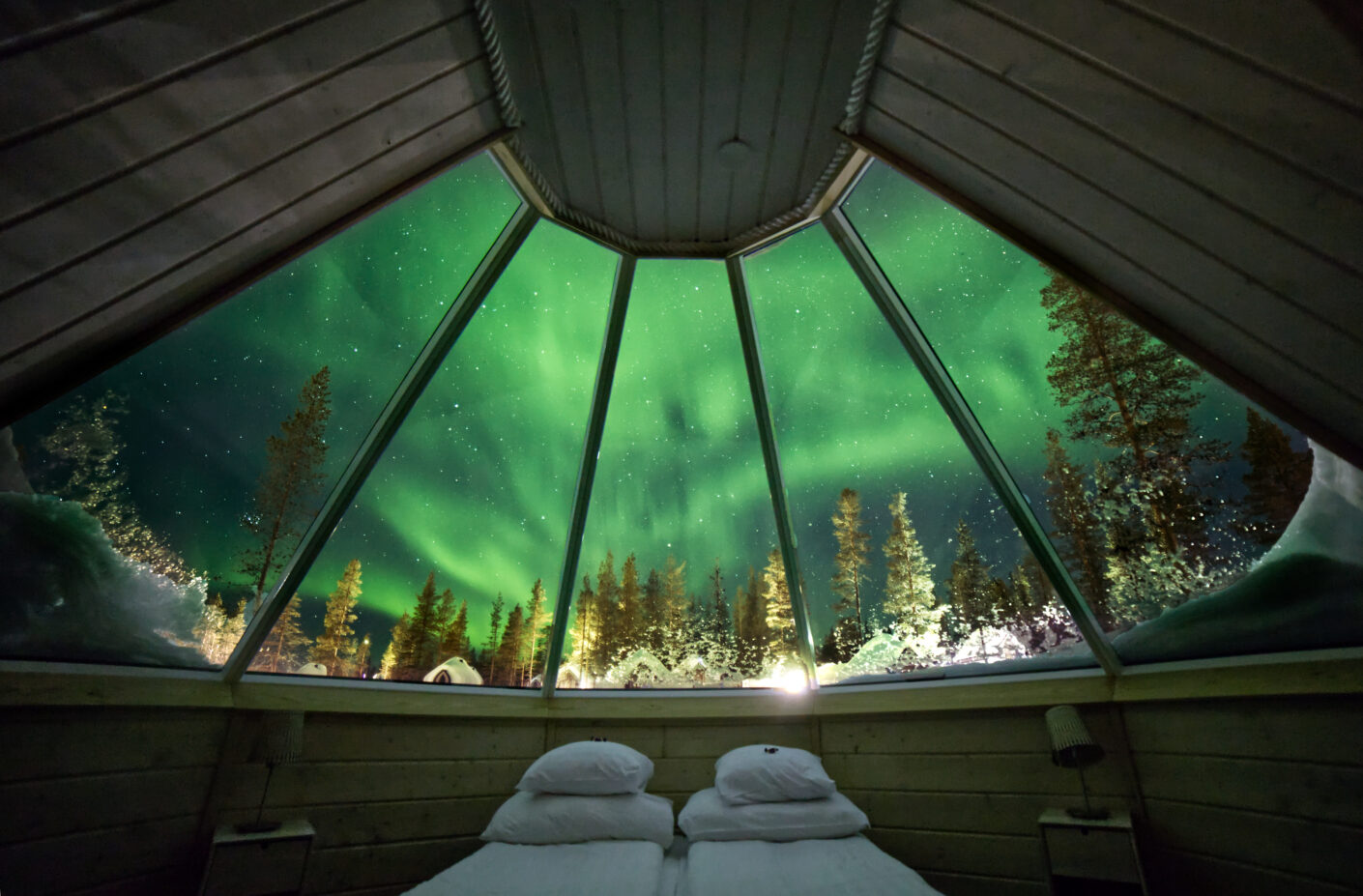
@ Northern Lights Village Saariselkä
Winter Northern Lights from November to March
Winter is the most popular and reliable season for Northern Lights experiences. From November through March, nights are long and skies are dark across the Nordic Arctic, creating ideal viewing conditions.
During these months, travellers can combine aurora hunting with winter activities such as husky sledding, snowshoeing and reindeer encounters. Crisp air and snow covered landscapes enhance visibility, while stillness and silence heighten the sense of anticipation as the lights appear overhead.
Off The Map Travel organises guided Northern Lights excursions led by experts who monitor weather conditions and solar activity in real time. These guides adjust locations throughout the evening to maximise the chance of clear skies and active auroras.
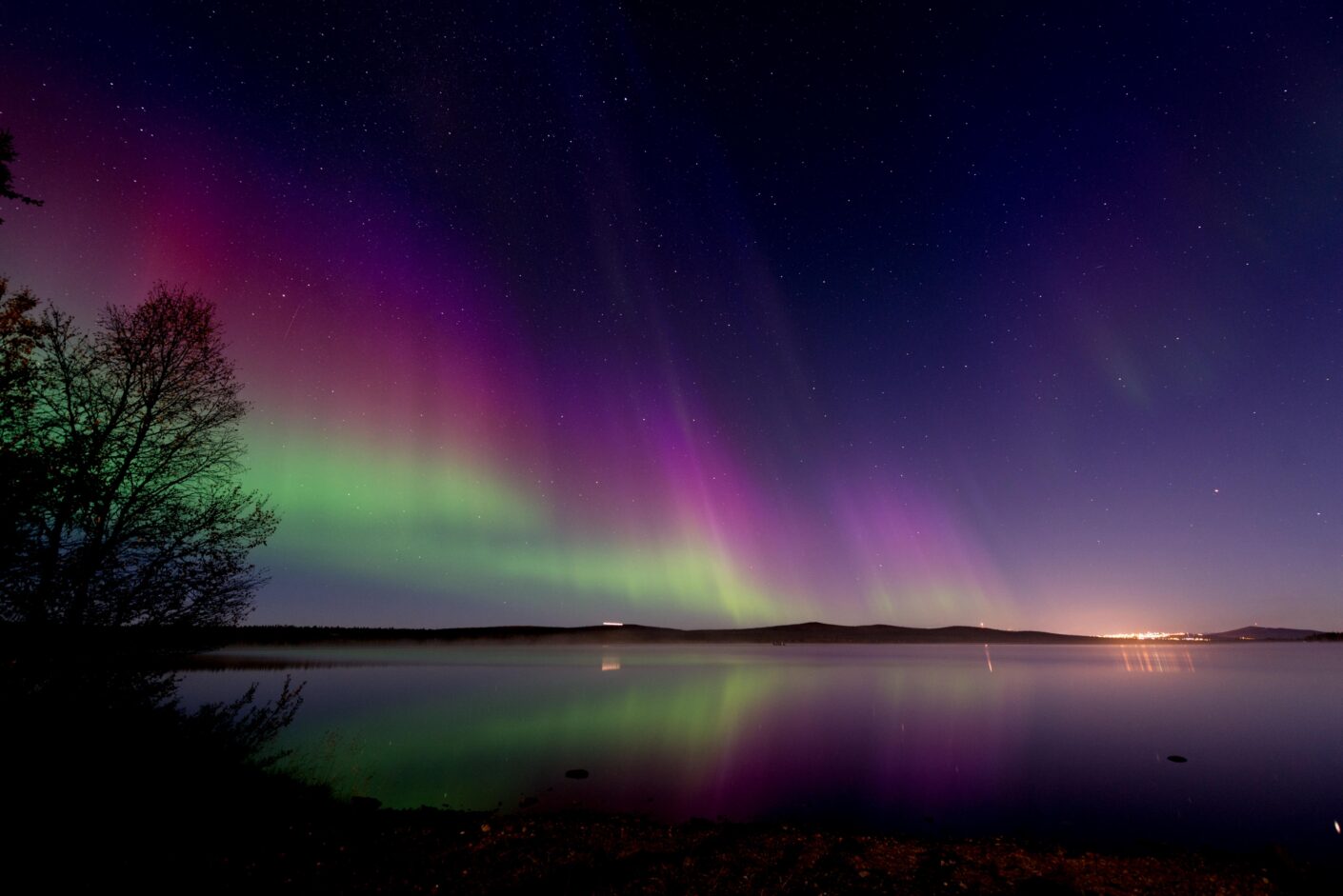
Photo Credit: Anders Nilsson
Autumn Auroras from September to November
Autumn is an often overlooked but exceptional season for Northern Lights viewing. From September to November, darkness returns to the Nordic skies while temperatures remain milder and landscapes glow with autumn colours.
Lakes remain unfrozen, allowing aurora reflections to shimmer on calm water, creating particularly striking visual experiences. Autumn auroras are well suited to travellers seeking fewer crowds and a balance between comfort and spectacle.
In Iceland, early autumn offers accessible road conditions and varied landscapes for aurora photography. In Finland, Norway and Sweden, forests and open wilderness provide peaceful vantage points before winter fully sets in.
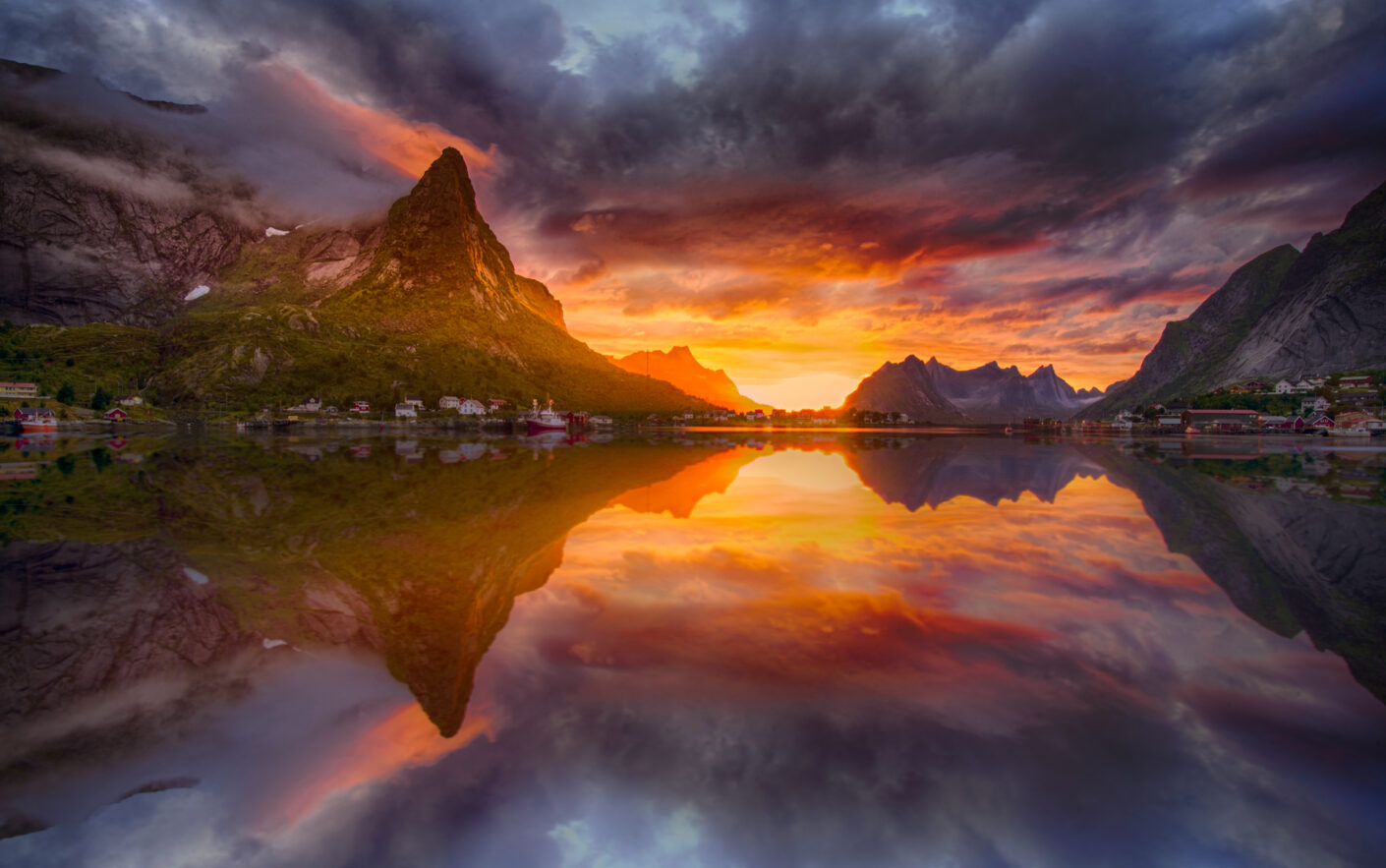
Summer and the Midnight Sun
During summer, typically from late May to early August, the Northern Lights are not visible in the Nordics. This is due to the Midnight Sun, when the sun remains above the horizon or twilight persists throughout the night, preventing darkness.
Although auroras cannot be seen during this period, summer offers its own unique experiences, including endless daylight, outdoor adventures and dramatic landscapes bathed in golden light. Off The Map Travel helps travellers understand seasonal differences so expectations align with natural conditions.
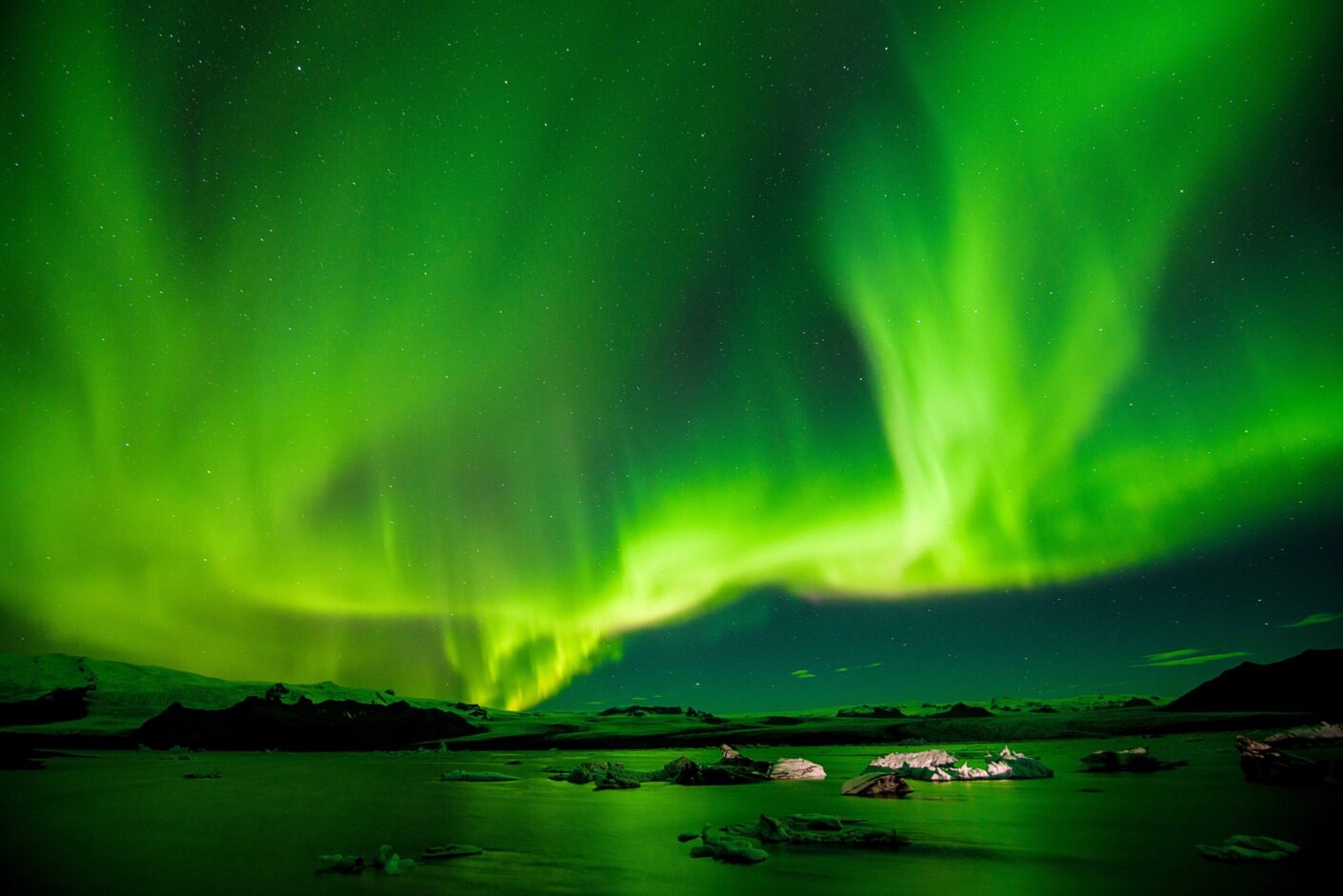
Viewing Conditions and Natural Variability
The Northern Lights are a natural phenomenon influenced by solar activity, weather and cloud cover. While sightings cannot be guaranteed, choosing the right location and season greatly improves the likelihood of success.
Off The Map Travel builds flexibility into itineraries, often including multiple nights dedicated to aurora viewing. This increases opportunities to see the lights and reduces reliance on a single evening.
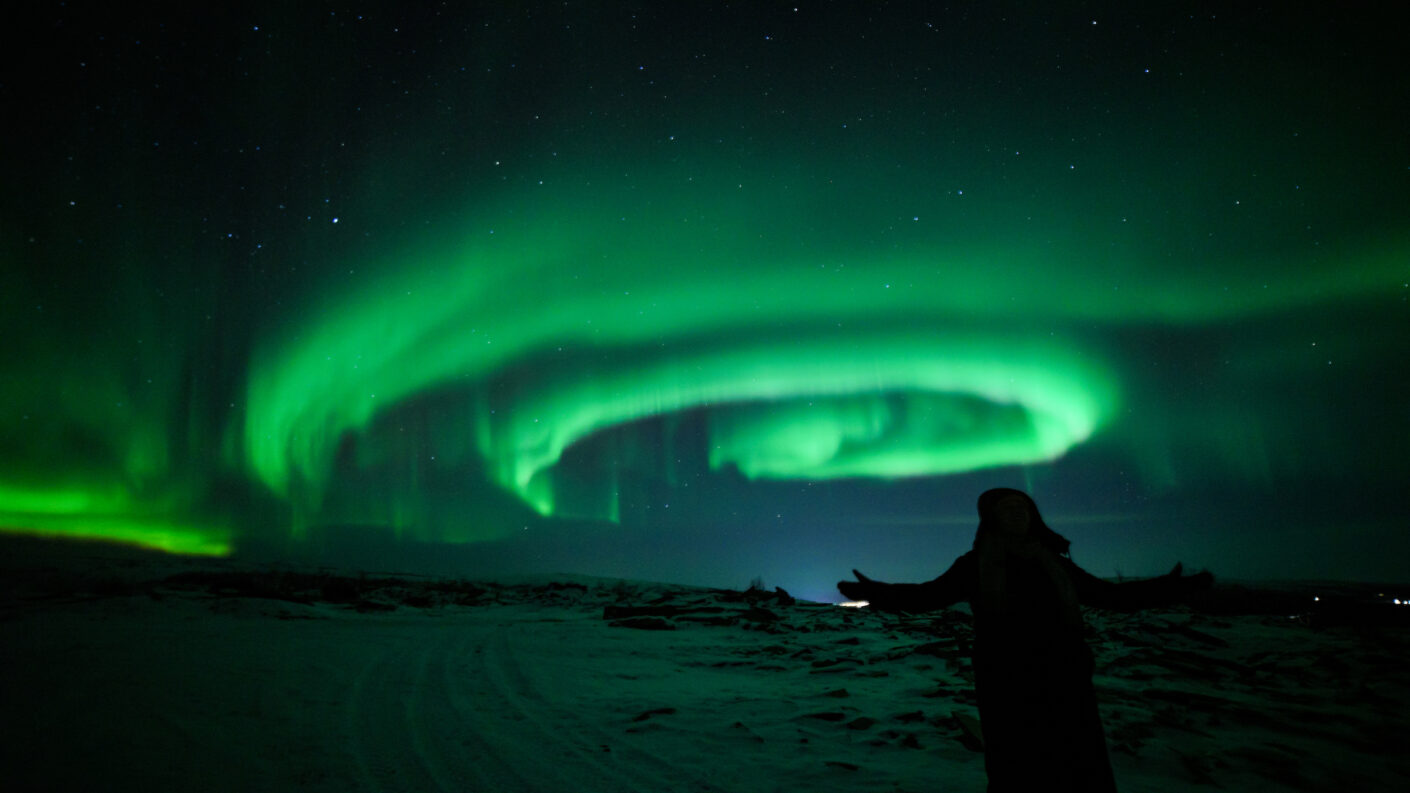
Why Choose a Northern Lights Journey with Off The Map Travel
Seeing the Northern Lights is not about ticking a box, but about experiencing stillness, anticipation and awe beneath vast Arctic skies. Off The Map Travel designs Northern Lights journeys that prioritise quality locations, expert guidance and thoughtful pacing.
Whether travelling in deep winter, vibrant autumn or planning a future return during the aurora season, these experiences reveal the magic of the Nordic night sky in some of the most beautiful and remote places on Earth.
Exceptional service throughout the entire planning and booking process – travel agencies don’t get any better than this. A brilliant, seamless experience matched by the holiday experience itself. Would recommend ‘Off the Map Travel’ to anyone considering booking for a Nordic experience ‘par excellence’.
Chris
Fantastic trip to Svalbard which delivered the true Arctic experience we were hoping for. The hotels were excellent and the activities – dog sledding and snowmobile expedition were lead by first class guides.
Top tip! The champagne tasting in the world’s most northerly wine cellar in the exceptional Funken Lodge is not to be missed!
Faith
I would thoroughly recommend this company. Their planning and advice was spot on. Alex responded to my calls and emails very promptly. I will definitely use them again for future trips.
Rosie
Amy planned a fantastic trip! Everything was very well-thought out. All transfers went smoothly, accommodations were amazing, great restaurant recommendations and the tours were once-in-a-lifetime, can’t book it yourself off the internet experiences. The guides were all fantastic. Communications were prompt and everything worked exactly the way it was supposed to. What a pleasure! Already working on our next trip.
Anonymous
My family and I traveled to Sweden to see The Northern Lights in March of 2023. From the planning process to every detail of the trip, I could not have been more pleased with our experience. Alex was exceptional to work with. His guidance on the time of year, where to stay, activities to do and how to get to and from everything was spot on. I have never used a tour company before but thought a trip of this kind would be easier with some help. I am so glad that I did. The entire week was seamless and completely stress-free, allowing us to truly enjoy Sweden and our time together as a family. I will be recommending Off The Map travel to friends and family and will certainly be using them myself again in the future.
Emily
I used OTMT to organise a holiday to see the Northern Lights for my partner’s 50th birthday. They took the time to understand my priorities, the kinds of places we like to stay and the things we like to do. They recommended a fabulous itinerary in Norway centred around the Lyngen Experience Lodge. The holiday itself lived up to expectations and I have no hesitation in recommending OTMT. They listened carefully during the planning and delivered the perfect present for my partner.
Alex
Well-organized trip to Norway and Svalbard with great accommodations and activities. Gwen was communicative and responsive to requests. Highly recommend!
Russell Snook
Off the Map Travel was great! Alex helped us plan the most amazing 10 day honeymoon to Iceland. He gave us great recommendations and was so patient with us during the planning process!
Tori
We originally hired Off the Map Travel in 2020 to set up a trip to see the Northern Lights. That didn’t happen, thanks to COVID. But, we persisted and in March of 2023, we took a 16-day trip that included both Iceland and Norway. IT WAS MAGICAL! Off the Map took care of everything! We were pampered at every stage of our trip. The people they hired and the activities they planned added up to a trip that will set the standard for any we’ll ever take in the future. Alex and his team were fabulous! We recommend them without restraint!
Jim & Kris
The best travel experience ever on every level you can think of during a Lapland expedition (food, activities, timings, accommodation, transport, service, equipment…). I highly recommend Off The Map Travel for their outstanding level of professionalism and detail oriented mindset!
Sophie & Guy
Amy was a great help with planning this trip. Our trip turned out amazing. I also was very grateful for Off the Map’s Front Desk service, which promptly handled an on the spot issue we had.
Karen