The Northern Lights, also known as the Aurora Borealis, are one of the most remarkable natural phenomena in the world. Their appearance can vary dramatically, creating a variety of shapes, colours and patterns in the night sky.
The Complete Guide to Aurora Shapes and Displays
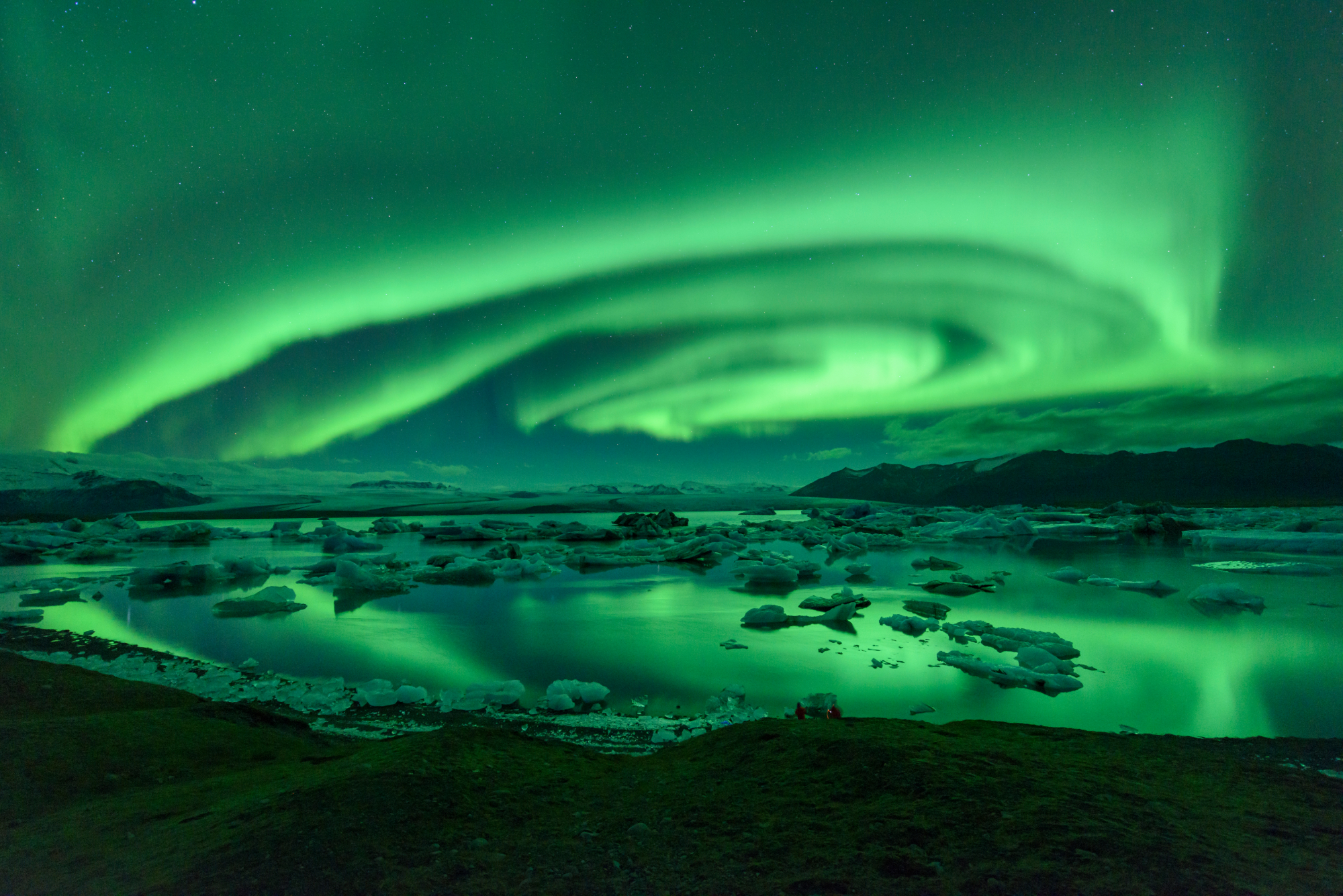
@ Reykjavik Excursions
@ Reykjavik Excursions
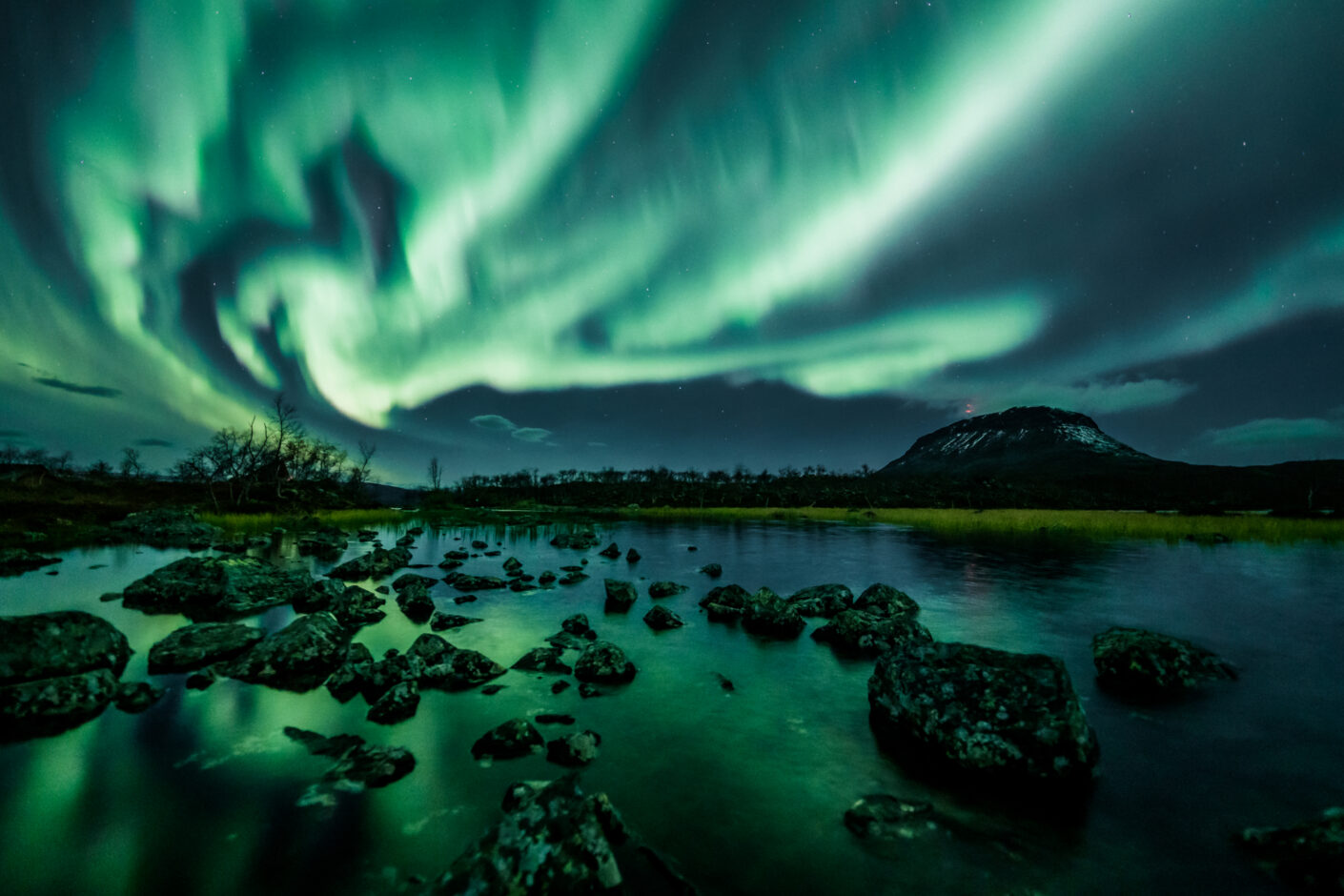
@ Cahkal Hotel
Your Guide to The Northern Lights
The Northern Lights, also known as the Aurora Borealis, are one of the most remarkable natural phenomena in the world. Their appearance can vary dramatically, creating a variety of shapes, colours and patterns in the night sky. This guide explains the most common types of aurora you may encounter, how they form, and what influences their behaviour. The aim is to help readers understand the different auroral structures and improve your page’s search ranking for key terms such as Northern Lights, aurora types, aurora shapes and how the Northern Lights form.
Where can I see The Northern Lights?

@ Safartica
Reconnect under the Aurora
Wellness retreat in Swedish Lapland: yoga, sauna, forest bathing and breath-work in cabins beneath the Northern Lights.
Customers normally spend between (excl. flights)
Explore
£7,495 - £11,245 pp*
@ Abisko Mountain Lodge
Autumn Auroras in Abisko
Luxury is about freedom: to explore, to connect, and to experience nature on your own terms.
Customers normally spend between (excl. flights)
Explore
£4,555 - £6,835 pp*
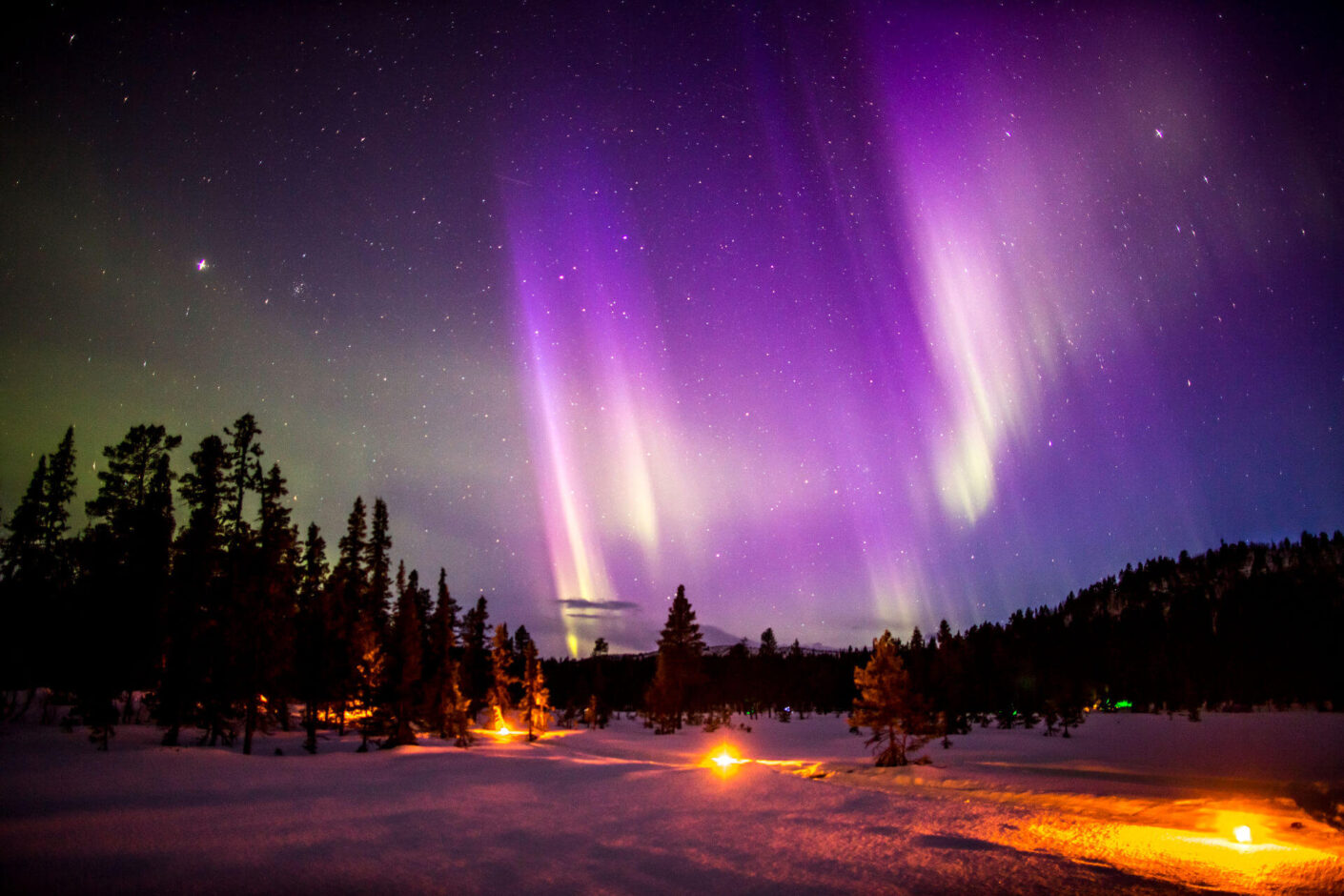
© Fjellborg
Aurora Colours and What They Mean
The colour of the Northern Lights depends on the altitude and the type of atmospheric gas involved.
Green
The most common colour, produced when oxygen atoms at lower altitudes become energised.
Red
A rare and dramatic colour caused by oxygen at much higher altitudes.
Purple and Blue
These colours are associated with ionised nitrogen and often appear along the edges of rays or during more active displays.
Pink
A mixture of red and green emissions is often seen when auroras become especially bright.
The Best Places to See The Northern Lights
When and Where to See Each Aurora Type
Arcs and bands are common throughout the aurora season in regions close to the Arctic Circle. Rays and coronas occur more frequently during strong solar storms. Diffuse auroras and pulsating auroras may appear later in the night or after the peak of geomagnetic disturbances.
For the best chance of observing all aurora types, visit during the darkest months of the year and allow several nights for viewing.
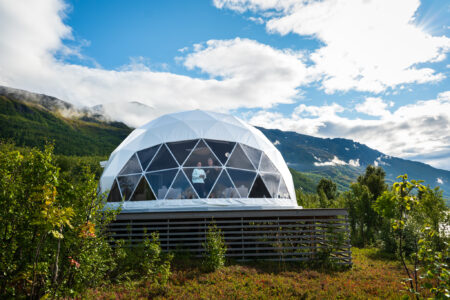
Luxury Glacier Escape in Alta Norway
Huskies, Arctic dining, forest sauna and a remote fjord retreat combine on this luxury journey through Northern Norway.
Customers normally spend between (excl. flights)
Explore
£15,000 - £20,000 pp*
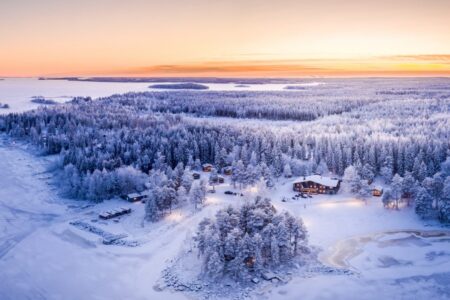
© Brandon Lodge
A Birthday Beneath the Northern Lights in Swedish Lapland
Celebrate a birthday in Swedish Lapland with Treehotel, snowmobiling, huskies, Arctic dining, winter spa time and Northern Lights above.
Customers normally spend between (excl. flights)
Explore
£10,435 - £15,653 pp*
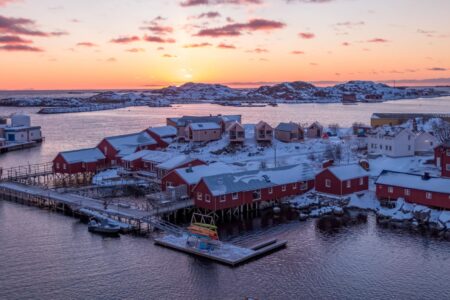
@ Hattvika Lodge
Norway Under the Northern Lights
A luxury winter journey through Oslo, Lofoten and Alta, with private Arctic adventures, luxurious stays, local flavours and Northern Lights.
Customers normally spend between (excl. flights)
Explore
£11,610 - £17,415 pp*
A Private Christmas in Finnish and Swedish Lapland
A private Christmas across Finnish and Swedish Lapland with glass igloos, huskies, reindeer, Arctic spa time and Northern Lights adventures.
Customers normally spend between (excl. flights)
Explore
£27,915 - £41,875 pp*
What Causes the Different Aurora Shapes
The Northern Lights occur when charged particles from the Sun collide with atoms and molecules in the Earth’s atmosphere. These collisions release energy in the form of light. The shape of the aurora is influenced by the behaviour of the solar wind, the structure of the Earth’s magnetic field and the energy levels of incoming particles.
During quiet solar conditions, arcs and simple patterns are most common. As solar wind increases in speed or density, the geomagnetic field becomes more disturbed, producing complex structures such as bands, rays and coronas. Strong geomagnetic storms can create multi layered auroras with rapid motion and intense colour changes.
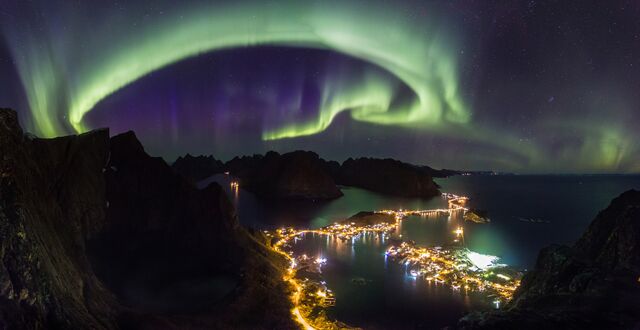
@ Alex-Conu
Types of Northern Lights - Arcs
Auroral arcs are the most frequently observed forms of the Northern Lights. They appear as broad curves of light that sweep across the sky. During periods of low solar activity, arcs often remain steady with gentle movement. As conditions intensify, arcs may brighten and begin to separate into smaller structures. These arcs typically form at around one hundred kilometres above the Earth’s surface and are most often green in colour due to oxygen emissions at lower altitudes.
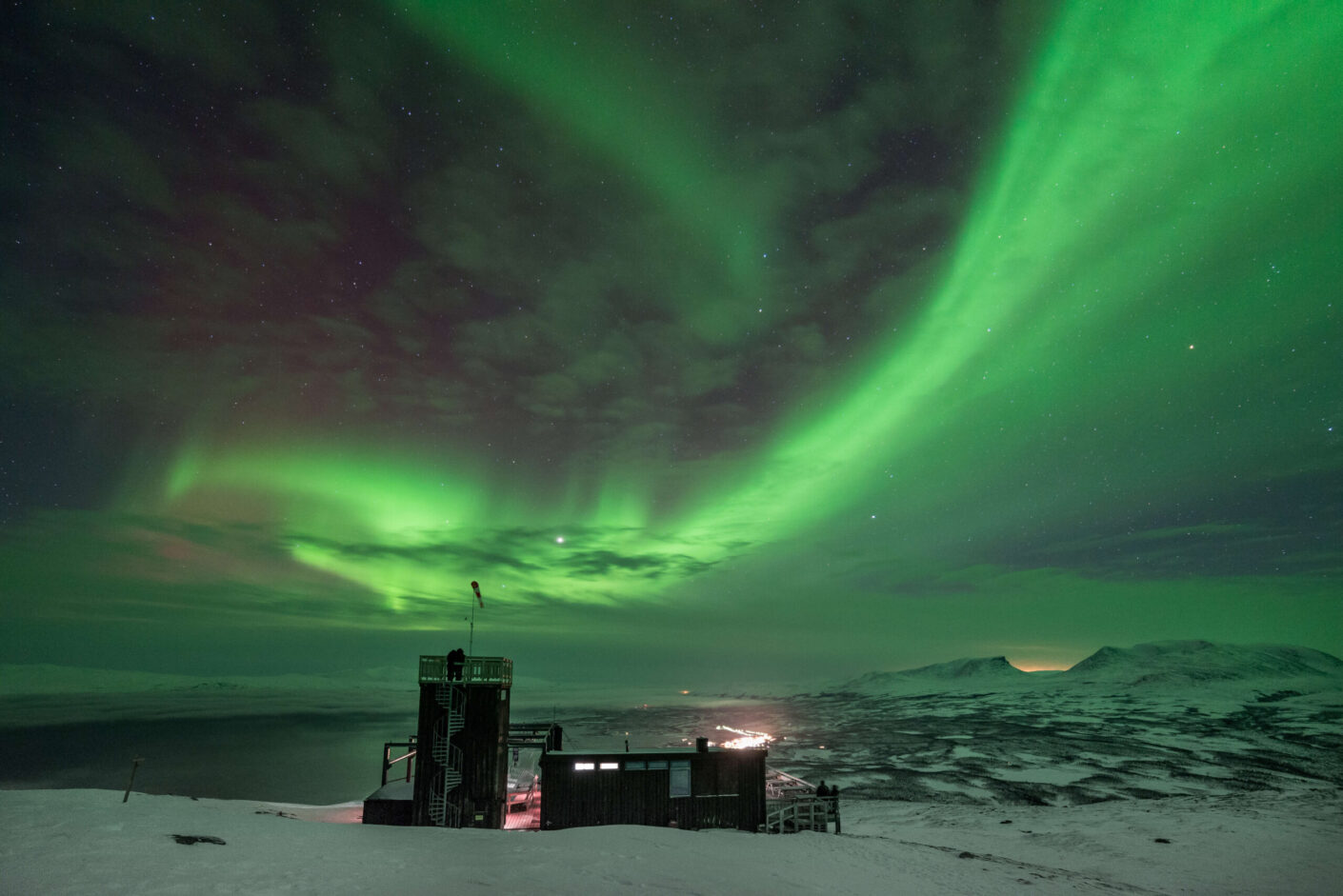
@ Lights Over Lapland - Chad Blakley
Types of Northern Lights - Bands
Bands develop when arcs become more active. They show stronger definition and more pronounced movement, often flowing across the sky in waves. As solar wind activity increases, bands can stretch, ripple and fold, creating dynamic patterns. Bands may shift from green to pink or purple tones depending on altitude and the strength of the geomagnetic activity.
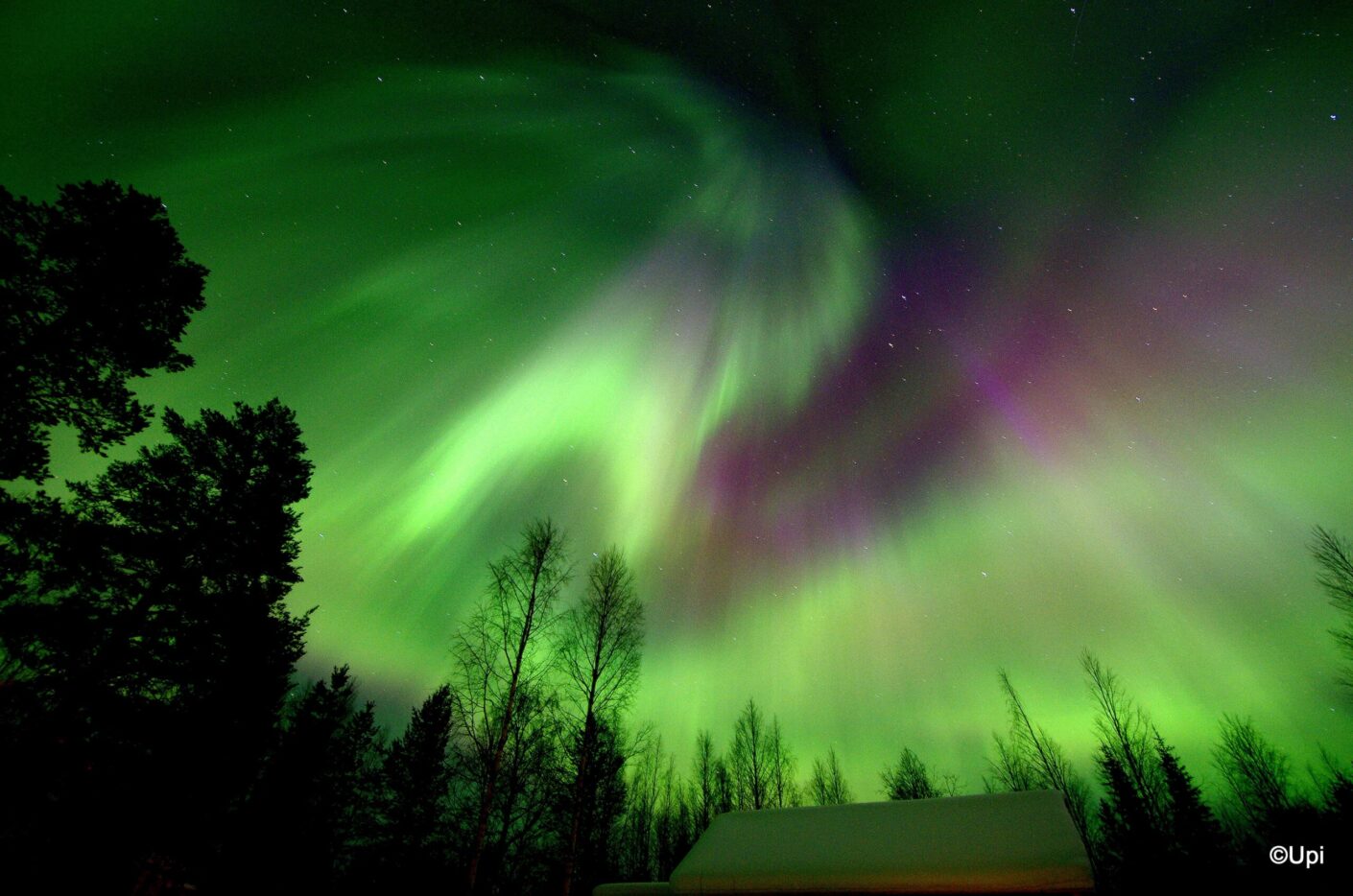
Types of Northern Lights - Rays
Rays are tall, narrow columns of light that rise upward from the horizon. They form when charged particles align with the Earth’s magnetic field lines. These vertical beams can appear individually or in clusters and often accompany more active auroral displays. Rays commonly occur during periods of enhanced geomagnetic storms and may show multiple colours including green, purple, blue and occasionally red.
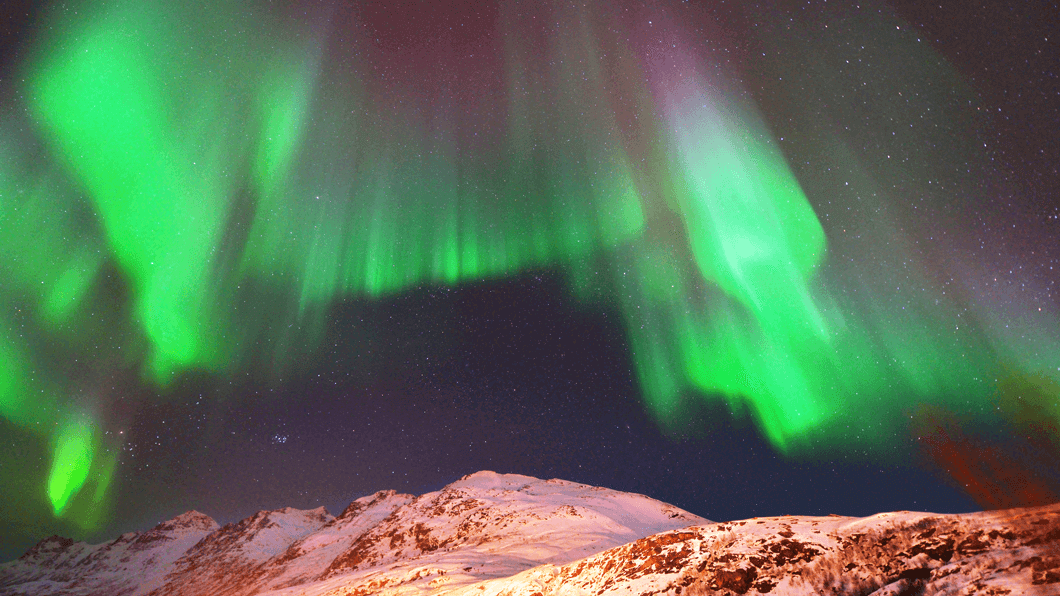
Types of Northern Lights - Corona
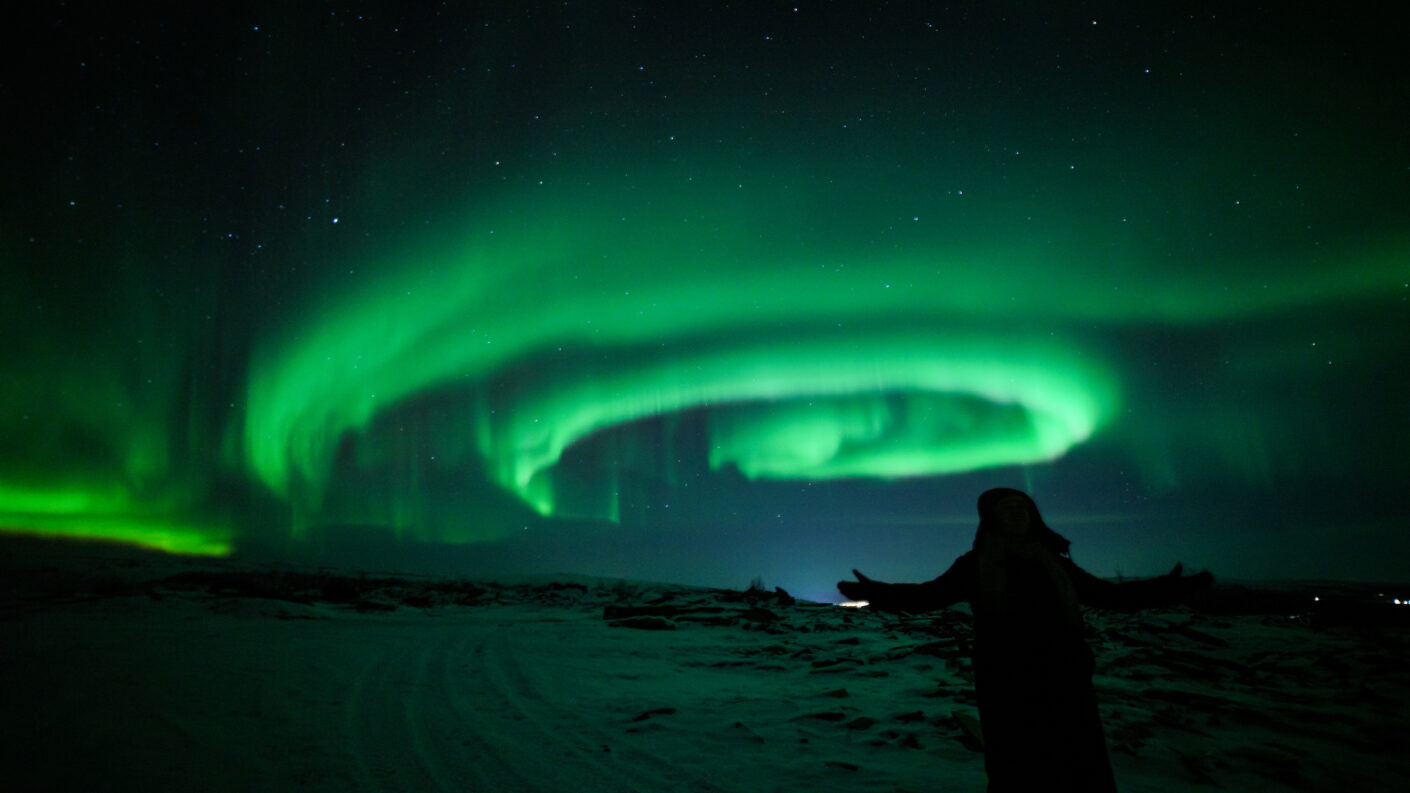
A corona is one of the most dramatic and memorable auroral events. When viewers look directly upward and see the lights converging towards a central point, this is known as a corona. The effect is created when auroral rays extend directly overhead, producing the illusion of light radiating from a single centre. Coronas often form during the most intense periods of solar activity and display rapid motion, sweeping colours and layered textures.
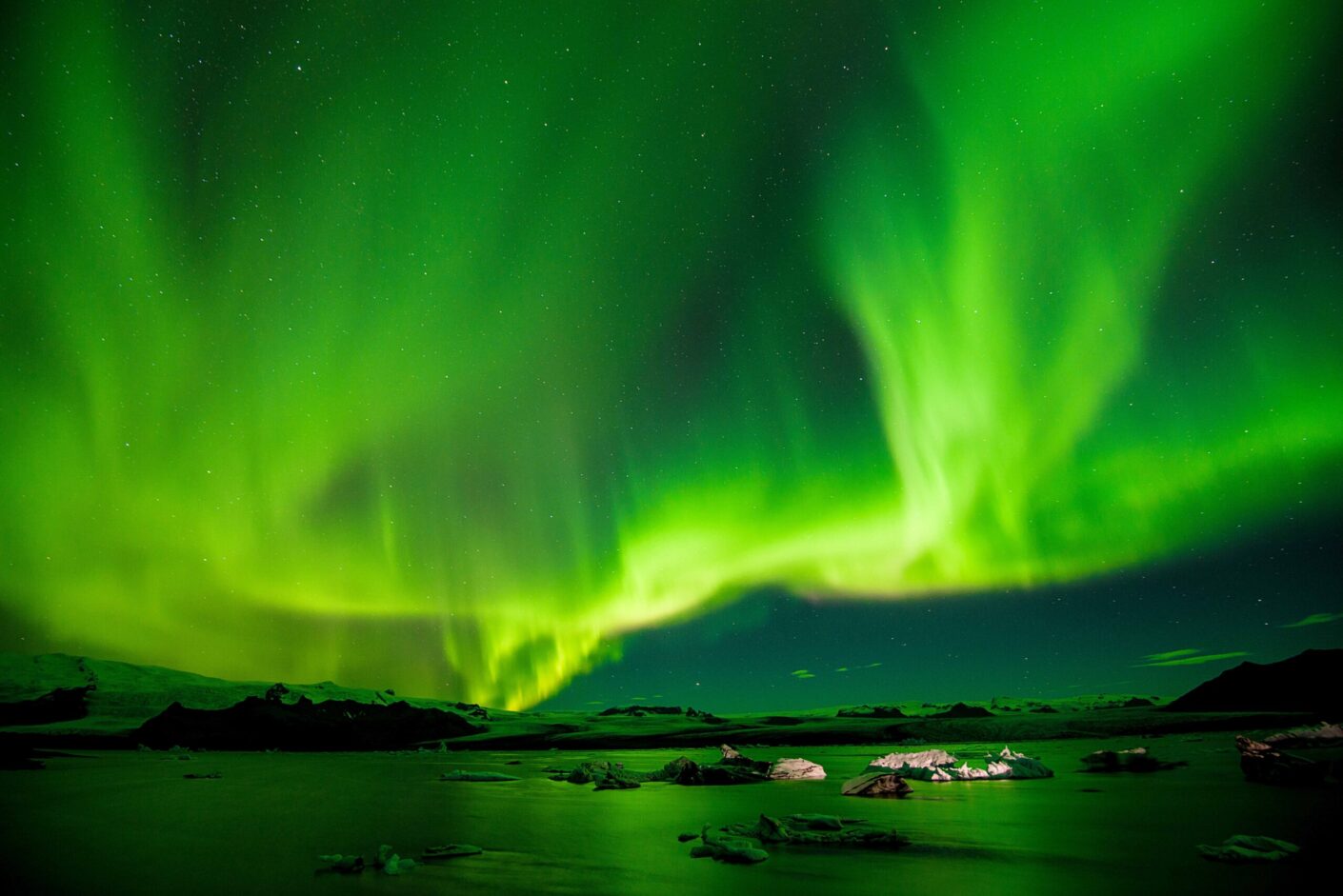
Types of Northern Lights - Diffuse
Diffuse auroras appear as faint, cloud like patches of light. They lack clear structure and are generally more difficult to see with the naked eye. These auroras are associated with specific processes in the magnetosphere and may cover large areas of the sky. Photographs often reveal diffuse auroras more clearly than human vision, making them a favourite target for experienced photographers.
The Northern Lights
The Northern Lights offer a constantly changing display shaped by the interaction of solar particles and the Earth’s magnetic field. By understanding the different types of aurora formations, viewers can better appreciate the complexity and beauty of each display. Whether witnessing a gentle arc stretching across the horizon or standing beneath a vivid corona, every aurora event provides a unique experience.